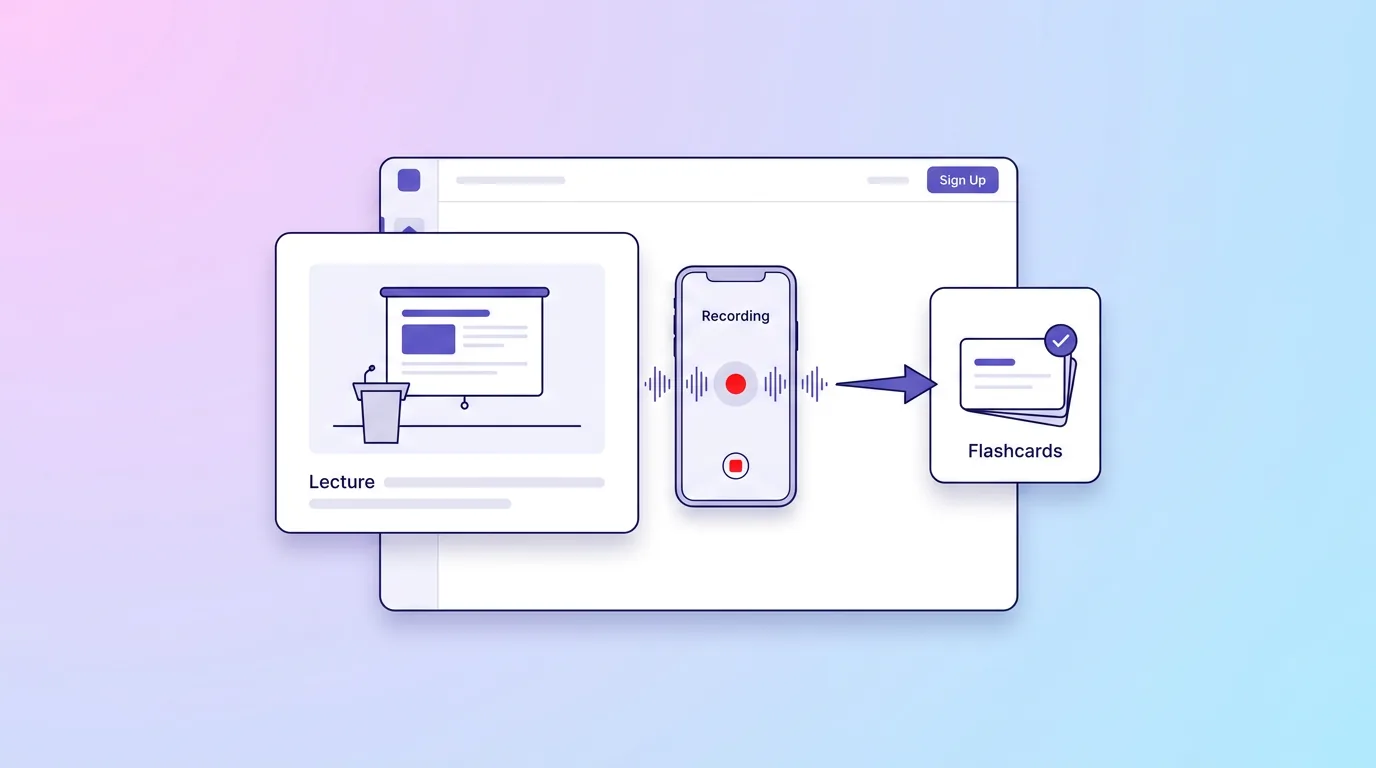
Short answer: The meetings nobody talks about in healthcare are the ones that run the place: staff meetings, care-team huddles, clinic operations reviews, vendor and payer calls, leadership check-ins. They generate decisions, task lists, and follow-ups that routinely evaporate — and unlike clinical documentation, they don't need specialized medical software. An AI note taker like CraftNote records these from a phone or laptop (no bot in the call), turns them into summaries and action items, and gives a busy practice one searchable record of how it actually runs. Patient conversations stay where they belong — in your clinical systems; this is for everything else.
← Back to Blog
AI Note Taking for Medical Practices: The Meetings Nobody Documents
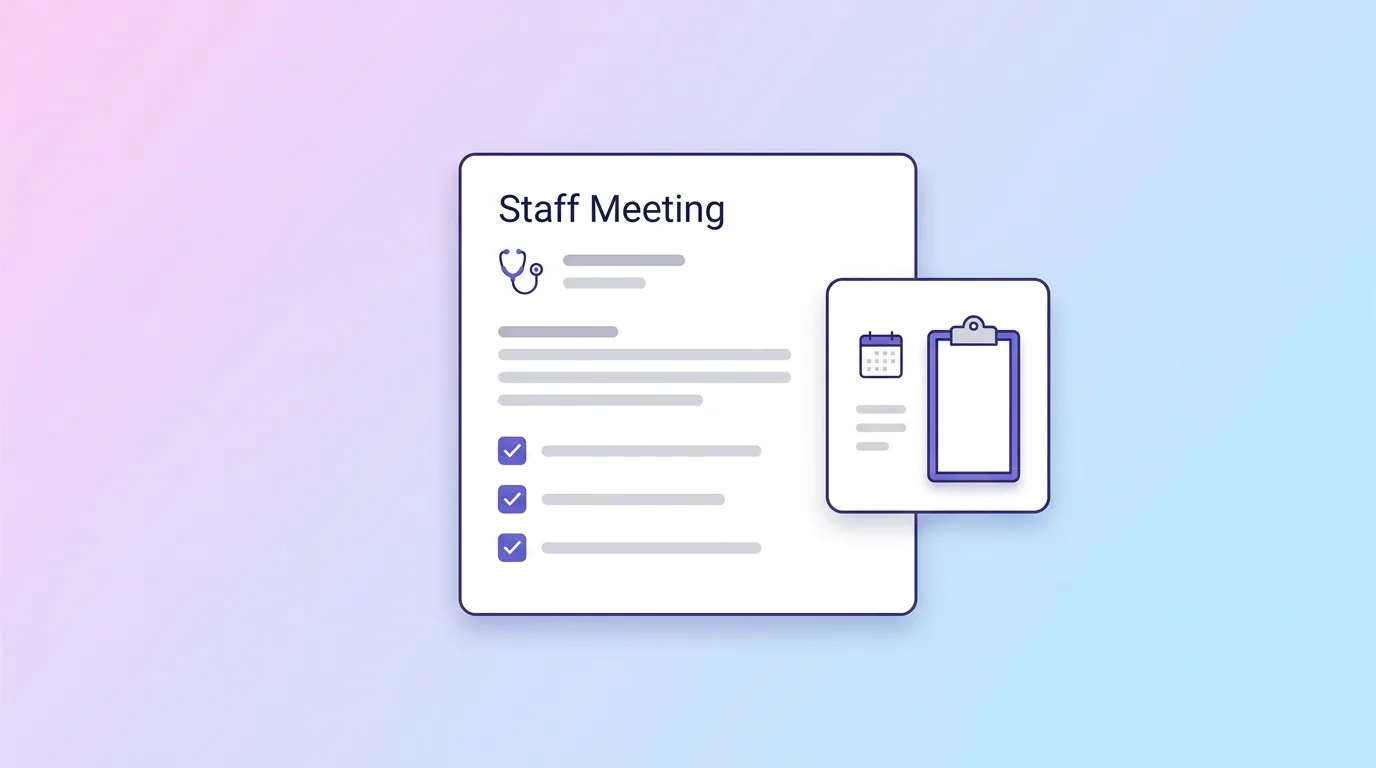
A medical practice is two businesses in one. The clinical side — patient encounters, charts, orders — lives in the EHR and specialized tools built for it. Then there's the other business: the Monday staff meeting, the scheduling huddle, the call with the billing service, the quarterly review with a supplier, the partners' meeting about the new location. That side runs on memory, whiteboards, and someone's half-finished notes — and it's where an AI note taker earns its keep in healthcare.
The five meetings that leak the most
1. Staff meetings. Policy changes, schedule swaps, new-protocol announcements — decided once, repeated for two weeks to everyone who missed it. A recorded, summarized staff meeting with action items becomes a reference: who's covering Thursday, what changed in the intake process, what the front desk needs to start saying.
2. Care-team and shift huddles. Quick coordination — room assignments, workflow snags, supply issues. Because they're short, nobody takes notes, and the same snag returns next week. A two-minute recording with an automatic summary costs nothing and builds a running log of operational friction worth fixing.
3. Vendor, payer, and billing-service calls. These calls decide money: fee schedules, denial patterns, contract renewals, equipment service terms. When a dispute surfaces months later, "what exactly did their rep commit to in March?" is a question a transcript answers and memory doesn't.
4. Leadership and partner meetings. Hiring plans, capital purchases, location decisions. These are the practice's board meetings — and often the least documented of all. Minutes with decisions and owners protect everyone at the table.
5. Training and onboarding sessions. The office manager explains the phone triage flow for the ninth time this year. Record it once, keep the summary and transcript, and new hires get a library instead of a shoulder tap.
What the workflow looks like
The mechanics matter in a healthcare setting: CraftNote records from your own phone or laptop — no bot joins the call, nothing appears as a participant on the vendor's screen. In-person huddles work the same way; the phone on the table captures the room. Afterward you get a transcript with speaker labels, a summary, and extracted action items; you can ask the note questions later ("what did we decide about the Saturday schedule?"), and notes sync across iPhone, Android, Mac, Windows, and the web — useful when the practice manager lives on a desktop and the physicians live on their phones.
One boundary worth stating plainly: use it for the operational side of the practice. Patient encounters and anything containing patient information belong in your clinical documentation systems — different job, different tools.
Why not just assign a note-taker?
Because it's always the same person, the notes live in their style and their drive, and the habit dies the week they're on vacation. Rotating the duty produces inconsistent minutes; skipping it produces none. Recording is the only version of the habit that survives contact with a busy clinic — the marginal effort is pressing one button.
Getting the team comfortable
Recording meetings is a change; handle it like one. Say it at the top of the meeting ("I'm recording this so we get clean action items — the summary goes to everyone after"). Share the first few summaries visibly so people see the value land in their inbox. Keep recordings of sensitive HR conversations off the table — some meetings are meant to be off the record, and respecting that keeps trust in the tool for everything else.
Frequently Asked Questions
Can medical practices use AI note takers?
Yes — for the operational side: staff meetings, huddles, vendor and payer calls, training, and leadership meetings. Patient encounters and clinical documentation belong in dedicated clinical systems, not general-purpose note tools.
Does a bot join our calls?
Not with device-based tools. CraftNote records from your own phone or computer, so nothing joins the call as a participant — relevant for vendor and payer calls where a visible bot raises questions.
What does it cost for a small practice?
CraftNote's free plan covers 2 hours of recording and 10 uploads per week — enough for a weekly staff meeting plus huddles. The Pro plan is $9.99/month flat. Team plans add shared notes across the practice at $12-15/user/month.
How is this different from an AI medical scribe?
Medical scribes (Freed, Heidi, Abridge and similar) document patient encounters and are built for clinical workflows. An AI note taker covers the business side of the practice — meetings, calls, training. Many practices use one of each; they don't overlap.
Related reading
Turn this into action with CraftNote
Record meetings and lectures, then get AI transcripts, summaries, and action items.
Try CraftNote free